Mastering Your Creative Workflow with Watercolor Procreate Brush and Brush Stroke Assets
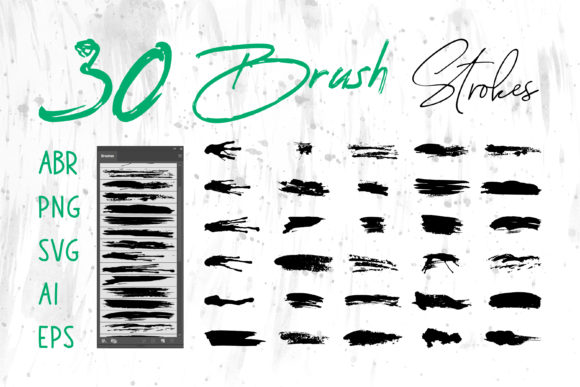
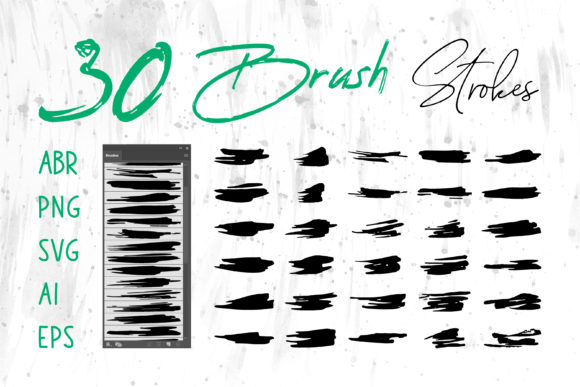
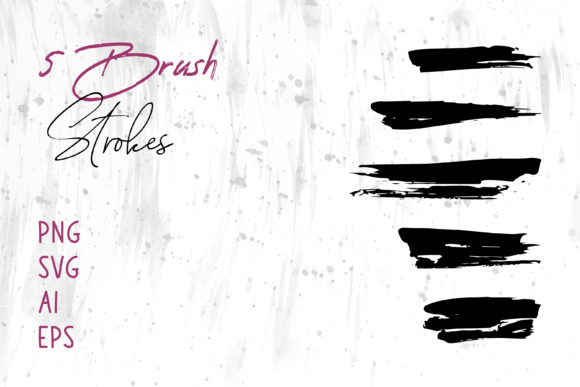
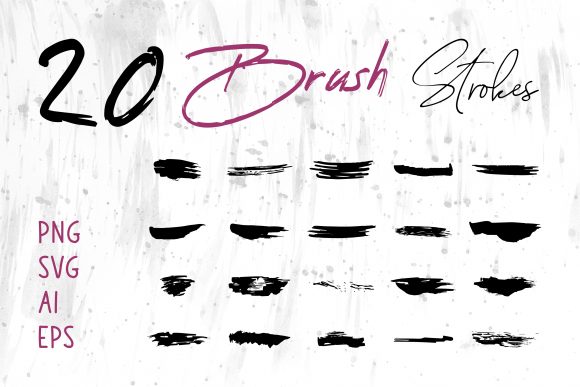
In the modern digital design landscape, efficiency is just as critical as creativity. Whether you are a freelance illustrator, a small business owner managing your own branding, or a marketer creating social media assets, the tools you choose define the speed and quality of your output. Integrating a versatile Watercolor Procreate Brush and high-quality Brush Stroke assets into your workflow is not merely about adding texture; it is about streamlining the entire production process from concept to final delivery. By utilizing assets that come in multiple formats—including ABR, Procreate native files, PNG, SVG, AI, and EPS—you gain the flexibility to move seamlessly between iPad sketching and desktop vector editing without losing fidelity or wasting time on conversion.
The Strategic Value of Multi-Format Asset Libraries
The core advantage of acquiring a comprehensive brush stroke pack lies in its interoperability. Many designers make the mistake of working in silos, using specific tools for specific tasks that do not talk to one another. However, a robust creative process requires fluidity. When you possess Brush Strokes.ai files alongside raster-based PNGs and native Procreate brushes, you are equipped to handle any stage of a project. For instance, you might begin a logo concept on an iPad using the Watercolor Procreate Brush to explore organic shapes and color blending. Once the direction is set, you can switch to Adobe Illustrator on your desktop, importing the SVG or AI files to refine the geometry, ensure scalability, and prepare the artwork for large-format printing.
This multi-format approach eliminates the bottleneck of recreating assets for different platforms. Instead of manually tracing a watercolor effect in Photoshop or searching for a similar look in a different library, you have the exact same visual element ready in vector and raster formats. This consistency is vital for brand identity. If you are designing packaging that requires both a textured box mockup (raster) and a crisp logo label (vector), having these strokes available in EPS and AI ensures that the watercolor aesthetic remains consistent across all touchpoints.
Integrating Assets into the Pre-Production Phase
Effective planning begins before the first pixel is placed. During the conceptualization phase, these brush strokes serve as rapid prototyping tools. For educators creating course materials or bloggers drafting header images, the ability to quickly drop in a pre-made watercolor stroke can establish a mood board instantly. Rather than spending hours painting custom textures, you can utilize the included PNG files to test composition and layout in MS PowerPoint or MS Word. This is particularly useful for pitch decks or internal reports where visual appeal needs to be balanced with quick turnaround times.
Preparation also involves organizing your digital library. To maximize efficiency, categorize your downloaded files by format and intended use. Keep your .brushset and .procreate files in a cloud-synced folder accessible to your iPad for on-the-go ideation. Store the AI, EPS, and SVG files in your primary desktop asset manager for heavy lifting in Adobe Creative Cloud applications. This organizational habit ensures that when a client requests a last-minute change or a new deliverable, you know exactly where to find the scalable vector version versus the textured raster version.
Execution: From Digital Sketch to Final Product
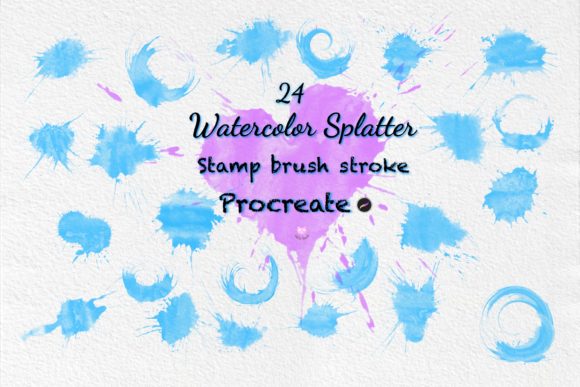
During the active creation phase, the interaction between these tools becomes dynamic. If you are working on a book cover or a t-shirt design, start with the Watercolor Procreate Brush to build up layers of color and depth. The natural bleed and texture of these brushes mimic traditional media, providing an authentic feel that flat digital colors often lack. Once the base artwork is complete, export the layer as a high-resolution PNG. You can then import this into Adobe Photoshop to add typography, shadows, and lighting effects, or bring it into Adobe InDesign for page layout.
For projects requiring precise scaling, such as large banners or vehicle wraps, the vector files (SVG, AI, EPS) are indispensable. Unlike raster images, which can become pixelated when enlarged, vector brush strokes maintain crisp edges at any size. This allows you to take a small icon created with a watercolor stroke and expand it for a trade show banner without quality loss. Furthermore, because these files are editable in Illustrator, you can manipulate anchor points to customize the shape of the stroke, tailoring it specifically to fit around text or other graphic elements. This level of control transforms a static asset into a flexible building block for complex designs.
Workflow Applications Across Different Industries
The utility of these assets extends far beyond traditional illustration. Consider the following practical applications:
- Marketing and Social Media: Create eye-catching Instagram stories or Facebook banners by overlaying watercolor strokes behind text. The organic shapes break up the rigidity of standard grid layouts, increasing engagement.
- Packaging Design: Use the textured PNGs to simulate premium paper finishes on digital mockups, giving clients a realistic preview of how the final product will look on shelves.
- Educational Content: Teachers and online course creators can use these graphics in MS PowerPoint presentations to highlight key points or create visually appealing section dividers that keep students engaged.
- Merchandise: For t-shirt and apparel design, the combination of vector outlines and raster textures allows for accurate screen printing separations while maintaining the artistic watercolor look.
- Digital Scrapbooking: Hobbyists can drag and drop PNG strokes directly into layout software to create personalized albums without needing advanced design skills.
Ensuring Quality Control and Consistency
Maintaining a professional standard requires attention to detail regarding file resolution and color profiles. When using the raster PNG files, always verify that the resolution matches your output medium—72 DPI for web and 300 DPI or higher for print. The vector files (AI, EPS, SVG) generally do not have this constraint, but you must ensure that the color mode aligns with your project requirements. Convert RGB vectors to CMYK within Adobe Illustrator if you are preparing files for commercial offset printing to avoid color shifts.
Consistency also applies to the artistic style. When mixing custom painted elements with pre-made brush strokes, pay attention to light direction and opacity. Even though these are digital assets, they should behave like physical paint. Adjust the blending modes in Photoshop or Procreate (such as "Multiply" or "Overlay") to integrate the strokes naturally with background colors. This step prevents the graphics from looking like stickers pasted onto a canvas and instead makes them appear as an integral part of the composition.
Long-Term Usability and Scalability
Investing in a diverse set of file formats future-proofs your work. As software evolves and new platforms emerge, having the source files in universal formats like SVG and EPS ensures your assets remain usable. You might start a project today in Procreate, but five years from now, you may need to adapt that same graphic for a new AR interface or a different design suite. Because you have the original vector data, you are not locked into a single ecosystem.
Furthermore, these assets support iterative design processes. If a client decides to pivot their brand direction, you can recolor the vector strokes instantly in Illustrator rather than repainting them from scratch. This adaptability reduces revision time and allows you to respond to feedback rapidly. For freelancers and agencies, this efficiency translates directly into better profit margins and the capacity to take on more projects.
In conclusion, incorporating a Watercolor Procreate Brush and its accompanying multi-format Brush Stroke files is a strategic move for any serious creator. It bridges the gap between mobile convenience and desktop power, allowing for a seamless transition between ideation, execution, and final production. By understanding how to leverage each file type—ABR for Photoshop, native files for Procreate, and vectors for Illustrator—you optimize your workflow for speed, quality, and versatility. Whether you are designing a logo, formatting a document in MS Word, or crafting a complex packaging solution, these tools provide the foundation for a professional and efficient creative process.