Unlocking Creative Freedom with a Hand Painted Brush Set for T-Shirt Design
There is a distinct difference between digital art that looks manufactured and digital art that feels alive. When you are working on a project that needs soul—whether it's a limited-run apparel line, a handmade greeting card, or a brand identity that stands out from the corporate crowd—the sterile perfection of vector lines often falls short. This is where a Hand Painted Brush Set becomes an indispensable tool in your creative arsenal. Specifically designed for versatility, these collections bridge the gap between traditional tactile media and modern digital workflows, offering a solution for anyone looking to inject organic texture into their work.
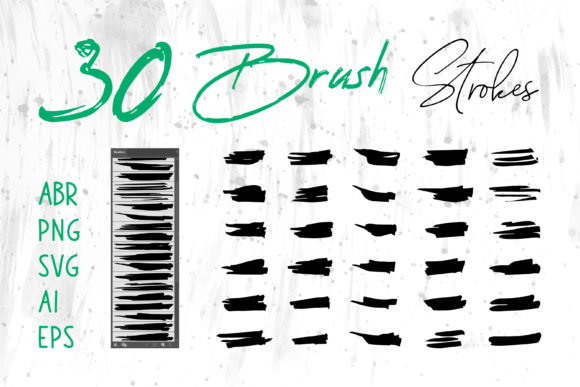
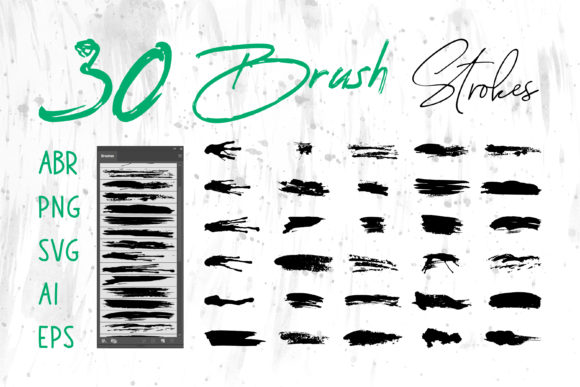
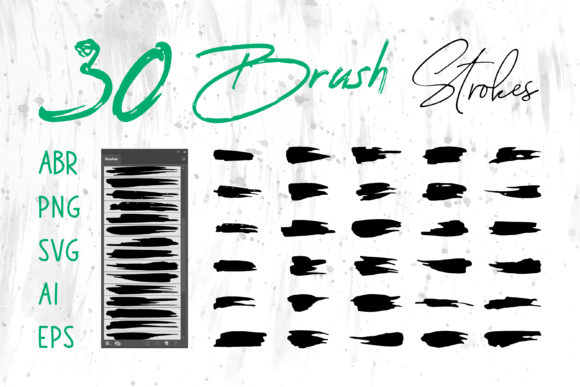
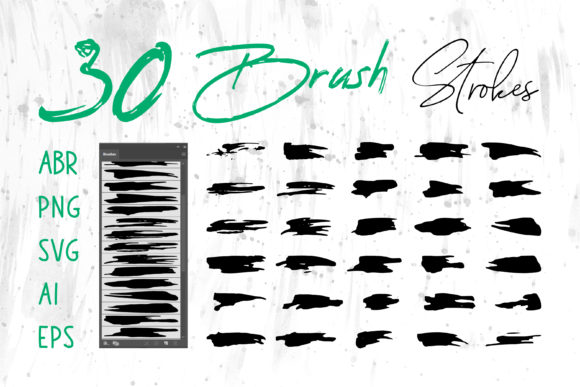
At its core, this type of resource is more than just a collection of PNGs or brush presets. It is a toolkit that allows you to replicate the unpredictable beauty of ink, watercolor, and acrylic without the mess, drying time, or cost of physical supplies. When we talk about a Brush for Tshirt applications, we are referring to strokes that have been captured at high resolution, retaining the frayed edges, ink bleeds, and pressure variations that make hand-lettering and illustration so compelling. The real magic, however, lies in the flexibility of the file formats provided. By including files like ABR for Photoshop, ProCreate brushes for iPad artists, and vector-based formats like SVG, AI, and EPS, these sets ensure that your creativity isn't locked into a single software ecosystem.
From Screen to Street: The Apparel Revolution
The most immediate and impactful application for these assets is in the world of custom apparel. The market for t-shirts has shifted dramatically; consumers are moving away from generic, mass-produced graphics and toward designs that feel curated and authentic. Using a hand-painted stroke gives a design an immediate "human" touch. Imagine designing a logo for a local coffee roaster or a slogan for a music festival. A standard font might look clean, but a rough, textured brush stroke conveys energy, movement, and craftsmanship.
When you utilize the Brush Strokes.ai or EPS files included in these sets, you gain the ability to scale your design infinitely without losing quality. This is critical for screen printing, where a design might need to go from a small chest logo to a massive back print. Vector formats allow printers to separate colors easily and ensure crisp edges, while the underlying aesthetic remains loose and organic. Conversely, if you are using direct-to-garment (DTG) printing, the high-resolution PNG files with transparent backgrounds allow those subtle textures and color gradients to shine through on the fabric, mimicking the look of a hand-painted shirt without the labor intensity.
Beyond Fashion: Diverse Applications for Digital Creators
While t-shirts are a headline use case, limiting these tools to apparel would be a mistake. The versatility of having a multi-format pack means these brushes serve a wide array of industries and hobbies. Consider the world of digital scrapbooking. Enthusiasts in this space are constantly seeking elements that look like real paper, ink, and paint to preserve memories with a nostalgic feel. Dragging and dropping a realistic watercolor splash or a dry-ink streak onto a layout adds depth that flat colors simply cannot achieve.
For packaging designers, the stakes are even higher. On a crowded shelf, a product needs to grab attention within seconds. Hand-painted elements on a cereal box, a craft beer label, or a cosmetic package signal premium quality and artisanal care. Using the Adobe Illustrator or InDesign compatible files, a designer can integrate these strokes directly into their layout, wrapping them around product mockups or using them as dynamic backgrounds that guide the consumer's eye to key information.
Even in the corporate sphere, the rigidity of traditional branding is softening. Website headers and social media banners increasingly feature illustrative elements to make brands feel more approachable. A tech startup might use a sleek sans-serif font, but pairing it with a hand-drawn underline or accent mark created with these brushes can humanize the brand, making it feel less like a faceless corporation and more like a team of passionate individuals.
Navigating the File Formats: A Practical Guide
One of the strongest advantages of a comprehensive brush set is the inclusion of multiple file types, catering to different skill levels and software preferences. However, knowing which file to use when is essential for maximizing efficiency.
- ABR (Adobe Photoshop): Ideal for raster-based editing. Use these when you need to paint directly onto a canvas, blend colors dynamically, or work with complex layer masks. Perfect for photo manipulations and detailed digital paintings.
- ProCreate Brushes: The go-to for iPad users. These allow for a natural drawing experience with Apple Pencil pressure sensitivity, making them perfect for sketching ideas on the go or creating finished illustrations in a mobile environment.
- AI, EPS, and SVG: These are your vector lifelines. Use these when scalability is non-negotiable. Whether you are sending a file to a large format printer for a banner or needing a logo that works on a business card and a billboard, these formats ensure your hand-painted look remains sharp at any size.
- PNG: The universal connector. If you are working in software that doesn't support specialized brush files—like MS Word, MS PowerPoint, or basic web builders—high-quality PNGs with transparent backgrounds are your best friend. You can drop them into presentations, documents, or simple web layouts instantly.
Considerations Before You Start
While the benefits are numerous, there are practical considerations to keep in mind to ensure your final output meets professional standards. First, always check the resolution of the raster files (PNG, ABR). For t-shirt printing, you generally want images at 300 DPI at the actual print size to avoid pixelation. If you are scaling a PNG up significantly, you may lose the crispness of those fine brush hairs, which is why having the vector alternatives (AI, EPS, SVG) is such a valuable backup.
Secondly, consider the color mode. Most digital screens operate in RGB, while commercial printing (especially for t-shirts and packaging) often requires CMYK or spot colors. Hand-painted brushes often rely on subtle transparency and blending modes to look realistic. When converting from RGB to CMYK for print, some of those vibrant, translucent qualities can flatten. It is always wise to do a test print or check your color profiles in Adobe Illustrator or Photoshop before sending files to production.
Finally, think about the context of your design. A hand-painted style implies imperfection. If your overall design language is strictly geometric and ultra-modern, a rough brush stroke might clash unless used intentionally as a contrasting element. The goal is harmony; the brush should enhance the message, not distract from it.
Empowering Your Creative Workflow
Ultimately, investing in a robust Hand Painted Brush Set is about buying back time and expanding possibility. Instead of spending hours trying to simulate a dry brush effect with complex filters or scanning your own messy sketches, you have immediate access to professional-grade textures. This allows you to focus on the bigger picture: the composition, the message, and the emotional impact of your work.
Whether you are a seasoned graphic designer looking to speed up your workflow, a small business owner creating your first batch of merchandise, or a hobbyist making cards for friends, these tools level the playing field. They provide the aesthetic quality of traditional art with the convenience and editability of digital design. By leveraging the full range of formats—from Photoshop to PowerPoint—you ensure that your creative vision can be realized anywhere, on any medium, with a touch of genuine humanity that resonates with audiences everywhere.