Mastering Texture: The Power of the Grungy Brush and Ink Brush Collection in Modern Design
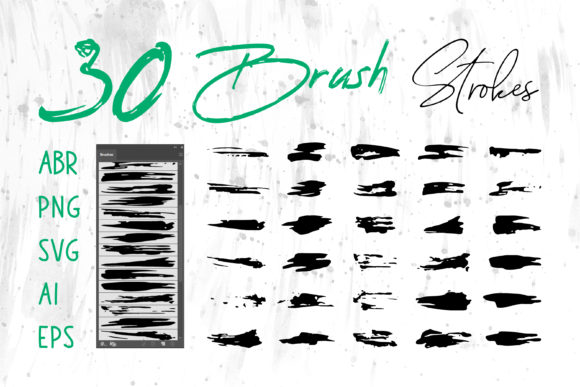
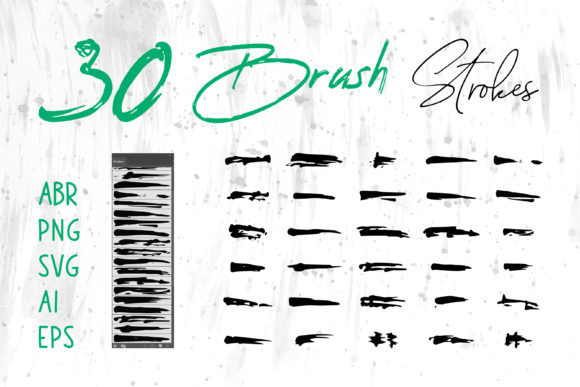
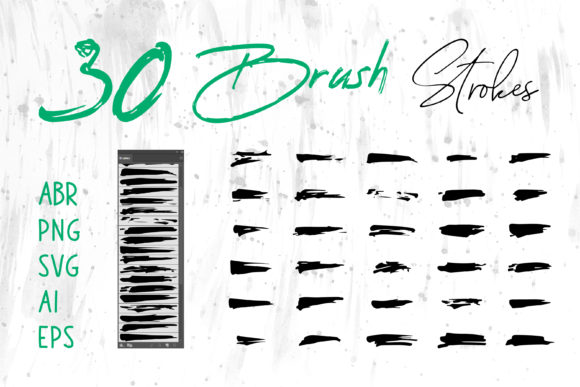
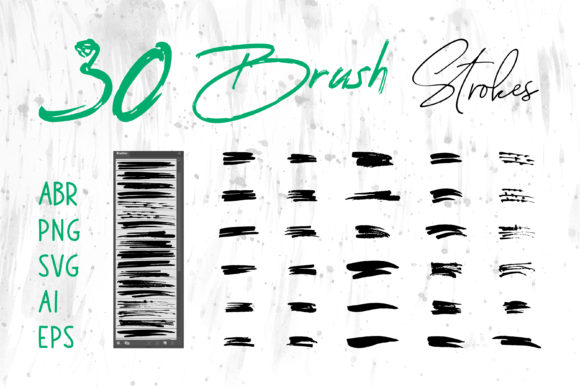
In an era where digital perfection is often just a click away, there is a growing hunger for authenticity. Audiences are increasingly drawn to visuals that feel tactile, human, and imperfect. This shift has brought the Grungy Brush, Ink Brush Collection back into the spotlight as an essential toolkit for creators who want their work to stand out. These assets are not merely decorative; they are functional tools that bridge the gap between traditional artistry and modern digital workflows. By incorporating organic textures, splatters, and raw strokes into your projects, you add a layer of depth that flat vector graphics simply cannot achieve on their own.
The relevance of these brushes extends far beyond niche artistic circles. For professionals ranging from marketing managers to freelance illustrators, the ability to quickly inject character into a design is invaluable. Whether you are crafting a brand identity that needs to feel established and rugged or designing social media content that demands immediate visual engagement, the versatility of ink and grunge elements provides a competitive edge. The evolution of design software has made accessing these textures easier than ever, allowing users to manipulate them with precision while retaining their natural, chaotic beauty.
The Evolution of Digital Texture and Workflow Flexibility
Historically, achieving a genuine grunge or ink effect required physical materials: actual ink, rough paper, scanners, and hours of post-processing. Today, the landscape has changed dramatically. The modern Grungy Brush, Ink Brush Collection represents a culmination of high-fidelity scanning and advanced digital brush engine programming. This evolution addresses a critical need in contemporary creative practices: speed without sacrificing quality. Designers no longer need to create messes in the studio to get a messy look; they can apply complex textures instantly, iterate rapidly, and maintain a clean digital workspace.
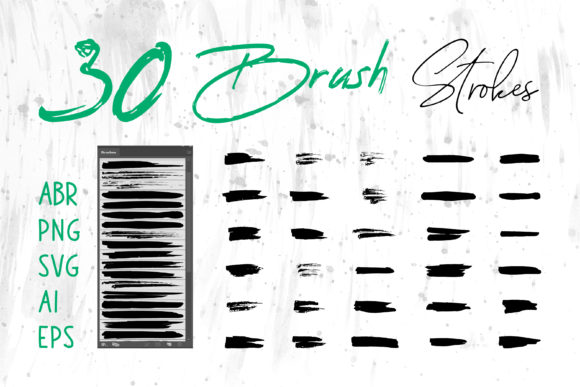
This shift aligns with broader market preferences where agility is key. Businesses and entrepreneurs often need to pivot their visual strategies quickly. A versatile brush collection allows for this adaptability. Because these assets come in a comprehensive suite of formats—specifically ABR for Photoshop, ProCreate, PNG, SVG, AI, and EPS—they fit seamlessly into diverse pipelines. A graphic designer might start a concept in ProCreate on an iPad using the ABR files, refine the vector paths in Adobe Illustrator using the AI or EPS files, and finally composite the image in Photoshop. This cross-platform compatibility ensures that the creative process is never bottlenecked by file type limitations.
Furthermore, the inclusion of vector formats like SVG and AI means that these "grungy" elements are infinitely scalable. In the past, rasterized texture maps could become pixelated when enlarged for large-format printing. Now, with vector-based ink strokes, you can scale a brush mark from a tiny logo icon to a massive building wrap without losing clarity. This technical advancement makes the collection suitable for everything from delicate book cover details to bold packaging designs.
Practical Applications Across Industries and Media
The utility of a high-quality brush collection lies in its application. The prompt specifies a wide range of uses, and understanding how to leverage these files in different software environments unlocks their full potential. Here is how these assets transform specific projects:
- Branding and Logo Design: Many modern brands are moving away from sterile, corporate minimalism toward identities that feel handcrafted and approachable. Using the AI or EPS files in Adobe Illustrator, a designer can integrate an ink splash as a background element or use a grungy stroke to underline a logotype, adding instant personality.
- Packaging and Product Labels: In the retail sector, shelf presence is crucial. Textured backgrounds created with PNG overlays can give a product label a premium, artisanal feel. This is particularly effective for craft beverages, organic foods, and boutique cosmetics where the story of "handmade" is part of the selling point.
- Digital Marketing and Social Media: Attention spans are short. Social media banners and posts need to stop the scroll. A dynamic ink blot or a gritty brush border can frame content effectively, making it pop against the clean interfaces of platforms like Instagram or LinkedIn. These can be easily dropped into templates in MS PowerPoint or MS Word for internal presentations or client pitches that need a creative flair.
- Publishing and Book Covers: The publishing industry relies heavily on mood. A thriller novel might benefit from jagged, dark ink strokes, while a memoir could use softer, watercolor-style bleeds. The high-resolution PNG files ensure these textures print sharply on physical covers.
- Craft Projects and Digital Scrapbooking: For hobbyists and educators, these brushes offer a way to digitize the scrapbooking experience. Using ProCreate, users can layer ink strokes over photos to create vintage-looking memories or design custom greeting cards that look painted rather than printed.
It is also worth noting the integration with office software. While MS Word and MS PowerPoint are not traditionally seen as design powerhouses, the ability to import PNG or SVG graphics allows non-designers to elevate their documents. A consultant creating a proposal can use a subtle grunge texture as a watermark or a section divider to make the document feel bespoke and thoughtfully designed, distinguishing it from standard corporate templates.
Navigating File Formats for Maximum Efficiency
One of the most confusing aspects of digital assets for many users is the plethora of file formats. However, receiving a collection that includes ABR, PNG, SVG, AI, EPS, and ProCreate files is a significant advantage. Understanding when to use which format is part of mastering these tools.
ABR (Adobe Photoshop Brushes) are ideal for painters and photo manipulators who want to paint directly onto a canvas with pressure sensitivity. They allow for dynamic variation in opacity and size, mimicking real brush behavior. ProCreate users enjoy similar benefits on mobile devices, making it perfect for sketching ideas on the go.
On the other hand, AI, EPS, and SVG files are vector-based. These are the go-to choices when you need crisp edges and scalability. If you are sending a file to a printer for a large banner or need to resize a logo for a favicon and a billboard, these formats are indispensable. They allow you to edit the anchor points of the ink stroke, changing its shape to fit your composition perfectly.
PNG files serve as the universal bridge. With transparent backgrounds, they can be dragged and dropped into almost any application, including Adobe InDesign for layout work, MS PowerPoint for slides, or web design tools. They are "what you see is what you get" assets that require no special software to view or place, making them highly accessible for collaborative teams where not everyone is a graphic designer.
Meeting the Demand for Authenticity in a Saturated Market
Why is there such a surge in interest for grungy and ink aesthetics now? As artificial intelligence generates increasingly smooth and flawless images, the human eye craves imperfection. Flaws signal humanity. A slightly uneven ink line or a speckled texture suggests that a person made a choice, applied pressure, and created something unique. For business owners and marketers, leveraging this psychological response can build stronger emotional connections with customers.
Using a Grungy Brush, Ink Brush Collection allows creators to tap into this desire for authenticity without needing years of calligraphy training. It democratizes high-end textural design. A small business owner can create a T-shirt design that looks like it was screen-printed by hand, or a blogger can design a website header that feels like an artist's sketchbook page. This levels the playing field, allowing smaller entities to compete visually with larger corporations that have massive design budgets.
Moreover, the trend toward "hybrid" design—mixing photography, typography, and illustration—is stronger than ever. Ink brushes are the perfect glue for these hybrid compositions. They can be used to mask images, create transitions between disparate elements, or add foreground interest that ties a layout together. The versatility of having these strokes in multiple formats ensures that no matter how complex the workflow, the texture remains consistent and high-quality.
Final Thoughts on Creative Empowerment
Ultimately, the value of this collection lies in its ability to empower the user. Whether you are a seasoned art director or a teacher creating classroom materials, having access to professional-grade brush strokes in different formats removes technical barriers. You spend less time fighting with software limitations and more time focusing on the creative message. The capacity to use these graphics across design, craft projects, cards, T-shirts, packaging, book covers, logos, websites, and social media banners means that one purchase can fuel a multitude of projects over a lifetime.
As we move forward, the line between traditional and digital art will continue to blur. Tools that honor the history of ink and paper while embracing the efficiency of modern technology will remain vital. By integrating these grungy and ink elements into your repertoire, you are not just following a trend; you are adopting a timeless aesthetic language that speaks to the human experience. Embrace the mess, the splatter, and the raw energy of the ink brush, and let it transform your digital creations into something truly tangible.