Evaluating the Grungy Brush and Watercolor Brush Set for Versatile Design Projects
In the evolving landscape of digital design, texture and organic imperfection often distinguish a professional piece from a generic template. The Grungy Brush, Watercolor Brush Set represents a collection of digital assets designed to introduce these tactile qualities into electronic workflows. Unlike standard vector shapes or flat colors, these tools simulate the unpredictability of physical media, offering designers a way to add depth, character, and artistic flair to their work. This evaluation explores the utility, compatibility, and strategic application of such brush sets for creators ranging from graphic designers to hobbyists.
Understanding the Asset Collection
At its core, this collection is not merely a single file type but a comprehensive suite of resources tailored for cross-platform compatibility. The term "Grungy" refers to a style characterized by distressed textures, rough edges, and an aged or worn appearance, while "Watercolor" implies fluid, translucent layers with soft bleeding effects. When combined, these elements provide a robust toolkit for creating visuals that feel hand-crafted.
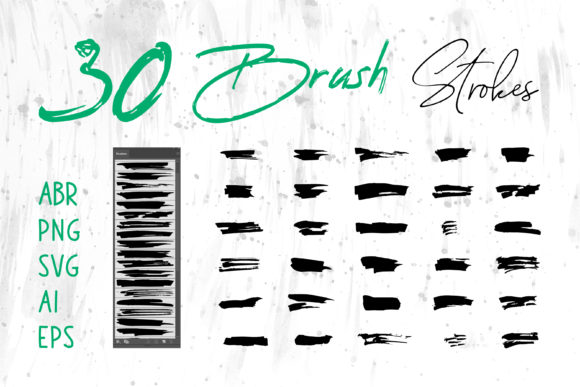
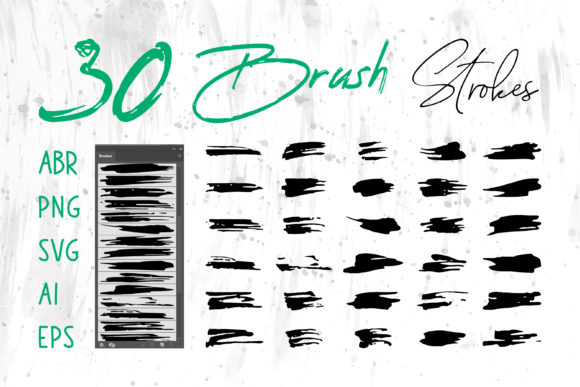
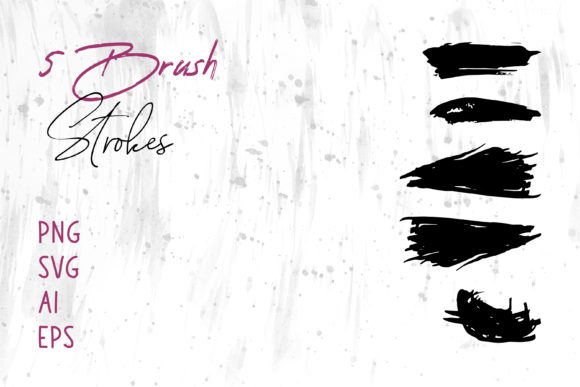
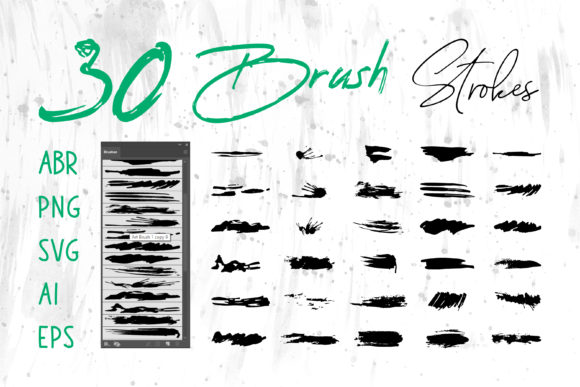
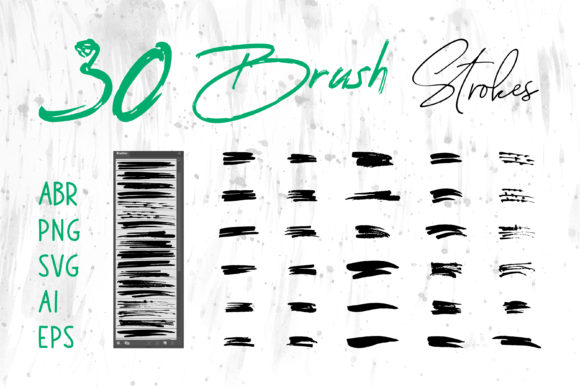
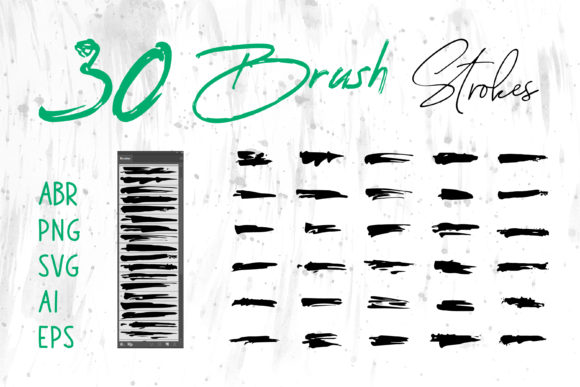
The defining feature of this specific set is its multi-format delivery. Users receive brush strokes in various file formats, including ABR (Adobe Photoshop Brushes), PROCREATE brushes, and standalone image files like PNG with transparent backgrounds. Furthermore, the inclusion of vector-based formats such as SVG, AI (Adobe Illustrator), and EPS ensures that the graphics can be scaled infinitely without loss of quality. This diversity allows the assets to function not just as painting tools within software but as static graphical elements that can be manipulated in layout programs like Adobe InDesign, MS Word, or MS PowerPoint.
Strategic Benefits and Practical Applications
The primary advantage of acquiring a multi-format Grungy Brush, Watercolor Brush Set lies in its adaptability. Designers often face the challenge of maintaining consistency across different mediums. For instance, a logo concept might begin in Photoshop using raster brushes but needs to be finalized in Illustrator for print scalability. Having access to both raster (ABR, PNG) and vector (AI, EPS, SVG) versions of the same stroke eliminates the need to recreate effects manually or rely on low-resolution imports.
These assets are particularly effective for specific project types where emotional resonance is key. In packaging design, a watercolor wash can suggest artisanal quality or natural ingredients, while a grungy overlay can convey ruggedness or vintage appeal. Similarly, for book covers and digital scrapbooks, these brushes provide the necessary texture to break up white space and create visual interest without overwhelming the typography.
For users working in non-specialist software like MS Word or MS PowerPoint, the PNG and SVG files are invaluable. They allow presenters and document creators to elevate standard slides and reports with custom graphical elements that would otherwise require expensive stock photography or complex illustration skills. The ability to drop a pre-rendered watercolor stroke or a grunge texture directly into a slide deck streamlines the workflow for professionals who need high-quality visuals quickly.
Technical Considerations and Tradeoffs
While the versatility of this set is a significant strength, users must understand the technical distinctions between the provided formats to use them effectively. Raster formats like ABR and PNG are resolution-dependent. While they offer realistic texture and blending modes ideal for photo manipulation in Photoshop or digital painting in Procreate, they cannot be enlarged beyond their original resolution without pixelation. This makes them less suitable for large-format printing unless the source files are exceptionally high-resolution.
Conversely, the vector formats (AI, EPS, SVG) offer infinite scalability, making them the superior choice for logos, t-shirt designs, and large banners. However, vectorizing a grungy or watercolor effect often results in a loss of some subtle textural nuance compared to the raster original. The paths may become complex, potentially slowing down older computers or complicating the editing process in Illustrator. Users must weigh the need for scalability against the desire for maximum textural fidelity.
Another consideration is the learning curve associated with integrating these assets. While dragging a PNG into a document is straightforward, utilizing ABR files in Photoshop or custom brushes in Procreate requires familiarity with those specific interfaces. Users unfamiliar with layer masks, blending modes, or brush settings may not initially achieve the desired organic look, potentially leading to frustration if they expect instant perfection without adjustment.
Ideal Use Cases vs. Alternatives
This Grungy Brush, Watercolor Brush Set is a strong fit for projects requiring a human touch in a digital environment. It is highly recommended for:
- Branding for artisanal products: Where authenticity and hand-made aesthetics are selling points.
- Social media banners: Where eye-catching textures help posts stand out in crowded feeds.
- Craft projects and card making: Where digital files are printed onto physical media for DIY enthusiasts.
- Web design elements: Specifically for hero sections or background textures that need to load efficiently (using optimized PNGs or SVGs).
However, there are scenarios where alternatives may be worth considering. If a project demands a strictly corporate, clean, and geometric aesthetic—such as financial reports or high-tech product manuals—the organic irregularity of grunge and watercolor styles may clash with the brand identity. In such cases, standard geometric shapes or solid color blocks would be more appropriate.
Additionally, for users who require absolute control over every anchor point of a texture for animation purposes, dedicated procedural texture generators or custom vector tracing might offer more precision than a pre-made brush set. Similarly, if a designer specializes exclusively in 3D modeling, 2D brush strokes may have limited utility unless used as texture maps, in which case specialized seamless texture libraries might be a better investment.
Making the Decision
Selecting the right design assets ultimately depends on the specific goals of the project and the software ecosystem in which the creator operates. The value of this particular set is maximized when the user intends to work across multiple platforms. If your workflow involves moving between Adobe Creative Cloud applications, tablet-based drawing in Procreate, and office productivity suites, the inclusion of ABR, AI, EPS, SVG, and PNG formats provides a level of flexibility that single-format packs cannot match.
Before integrating these tools, evaluate the resolution requirements of your final output. For print-heavy projects like packaging or large banners, verify the DPI of the raster files. For web and screen-based media, ensure the SVG files are optimized for performance. By understanding the strengths and limitations of both the grunge and watercolor styles, as well as the technical capabilities of the provided file types, designers can make an informed decision on whether this set aligns with their creative vision and operational needs.
In conclusion, the Grungy Brush, Watercolor Brush Set serves as a versatile bridge between traditional artistic textures and modern digital efficiency. It empowers users to infuse personality into a wide array of outputs, from t-shirts to website headers, provided they navigate the tradeoffs between raster realism and vector scalability with intention.